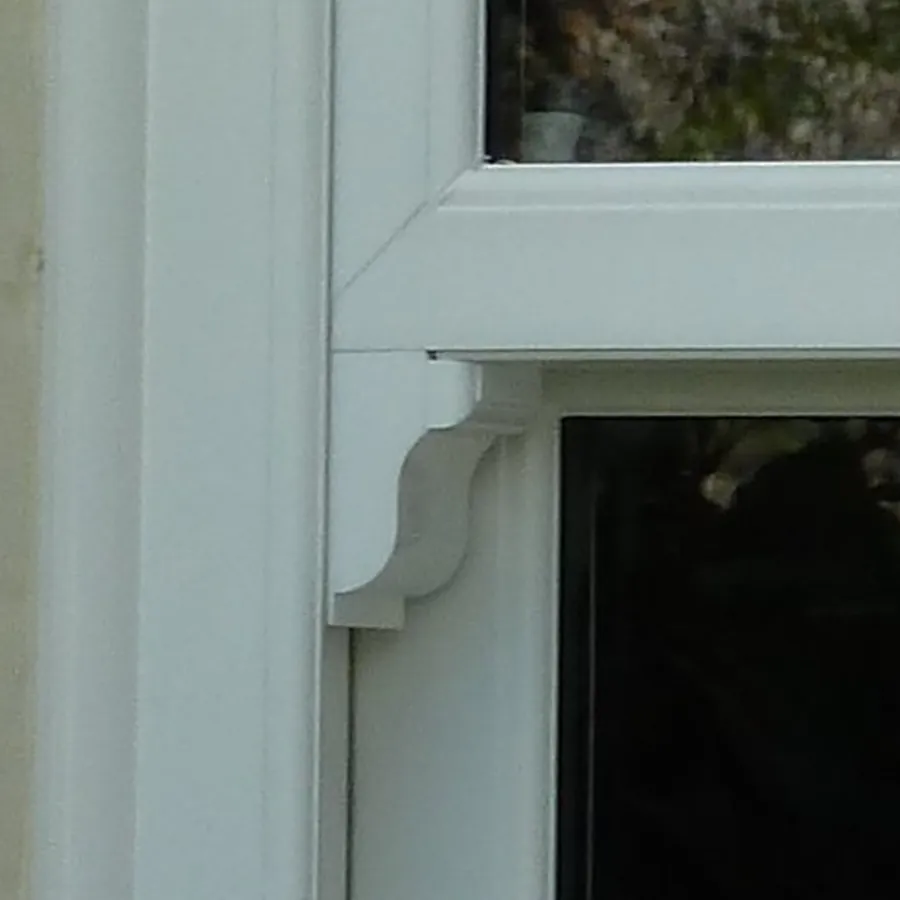
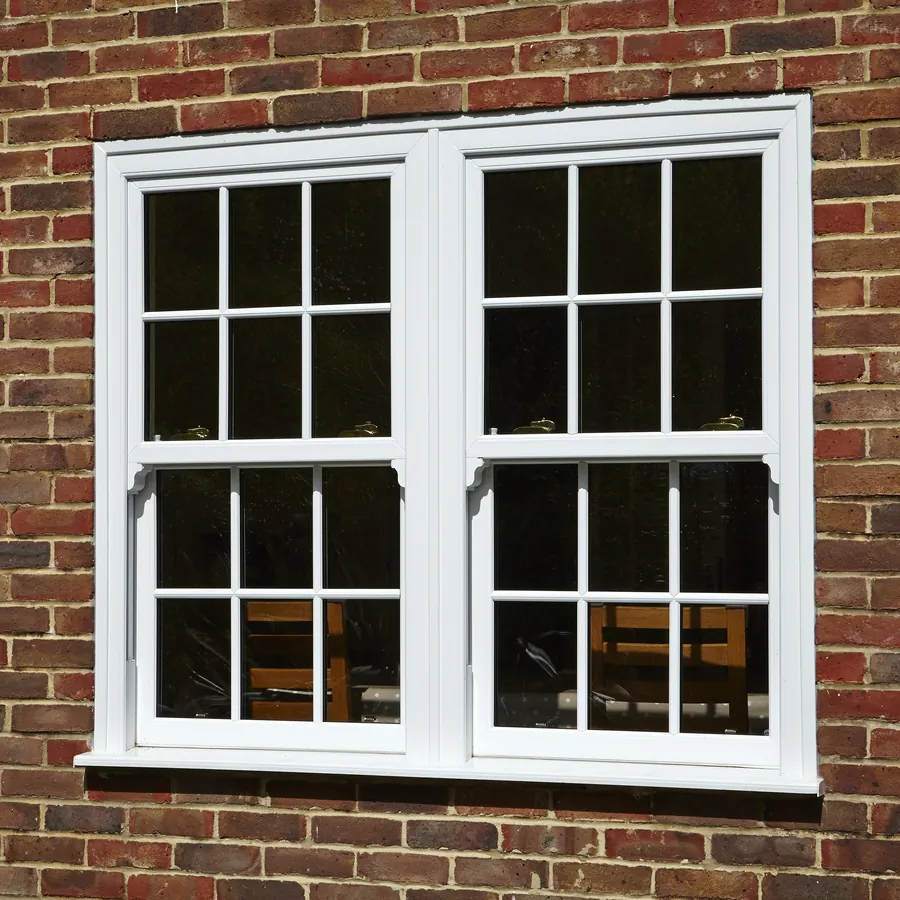
We replace misted double glazing in Grove Park without changing your frames. This service is for homeowners whose windows or doors still work well, but whose glass has gone cloudy, wet or foggy between the panes. You get a new sealed unit made to fit your frame, fitted in a short visit, with clear glass again.
In most cases the frame is fine and only the glass unit has failed. Swapping the unit costs far less than a new window and causes much less mess. We fit replacement units in uPVC, aluminium and timber frames, in windows, doors and conservatory sides.
Why Double Glazing Mists Up
A double glazed unit is two panes of glass held apart by a spacer bar round the edge. The gap between the panes is sealed and filled with dry air or argon gas. A drying agent inside the spacer soaks up any trace of moisture.
Over time the seal round the edge can break down. Sun, frost, wind and the frame flexing all put stress on it. Once the seal fails, damp air creeps into the gap. The drying agent fills up, and water then forms on the inside faces of the glass. This is what people call a blown or failed unit.
Common causes of seal failure include:
- Age. Older units were made with less robust seals.
- Water sitting in the frame because the drainage slots are blocked.
- Poor glazing packers, so the unit sits on its edge or twists.
- Strong sun on dark frames, which heat up and move more.
- Harsh cleaners or pressure washers aimed at the seals.
Signs Your Sealed Unit Has Failed
Misting on the inside of the room or on the outside of the glass is normal at times. It comes from damp in the room or dew on a cold morning. You can wipe it away. A failed unit is different, because the water is trapped between the panes where you cannot reach it.
Look out for these signs:
- Fog or droplets between the panes that you cannot wipe off from either side.
- Mist that comes and goes with the weather or the time of day.
- White marks, streaks or a milky haze on the inner faces of the glass.
- Water pooling along the bottom edge inside the unit.
- A room that feels colder near one window than the rest.
Once a unit has failed, it will not fix itself. It loses most of its heat-saving value, and the haze gets worse over time. The good news is that replacing it is quick.
Replacing Just the Glass Unit
We start by measuring the failed unit and noting its make-up. That means the glass type on each side, the gap width, the spacer colour and any bars or patterns. Your new unit is then made to order to the same overall size and thickness, so it fits the frame and the beads.
On the day of fitting, we:
- Lay dust sheets inside and out.
- Remove the glazing beads with care so they can be reused.
- Lift out the old unit and check the frame rebate is clean and dry.
- Set the new unit on fresh packers so it sits level and square.
- Refit the beads, check the gaskets, and test the sash or door.
- Take the old glass away and clean the new panes.
Most units take less than an hour each to swap. A visit to replace several units in one home can often be done in a morning. You do not need to move out or empty the room.
Matching Spacer Colour, Bars and Glass
A new unit should look like the ones around it. We take care to match the details, so the repaired window does not stand out.
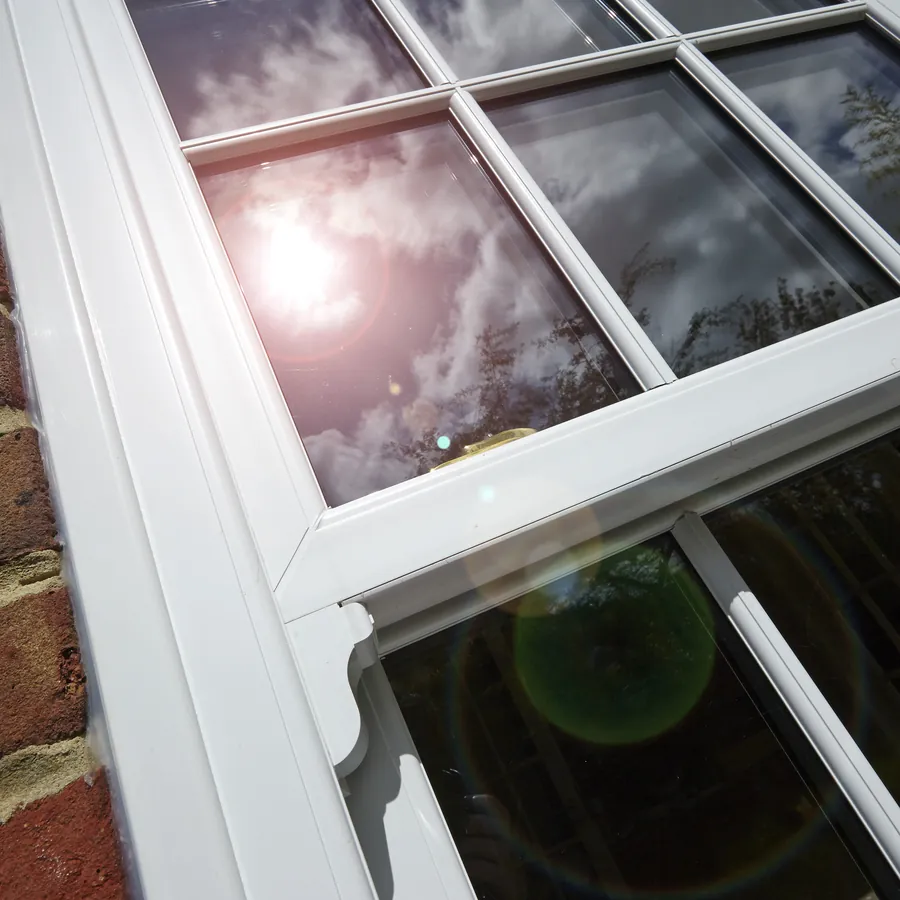
- Spacer bars. These are the strips you see round the edge of the glass. They come in silver, black, white, brown and other colours. We match the colour and width to your other units.
- Georgian bars. If your windows have bars inside the glass, we fit the same style and pattern. Stuck-on bars can be refitted to the face of the new glass.
- Obscure glass. For bathrooms and front doors, we match the pattern where it is still made. If it is not, we show you the closest options.
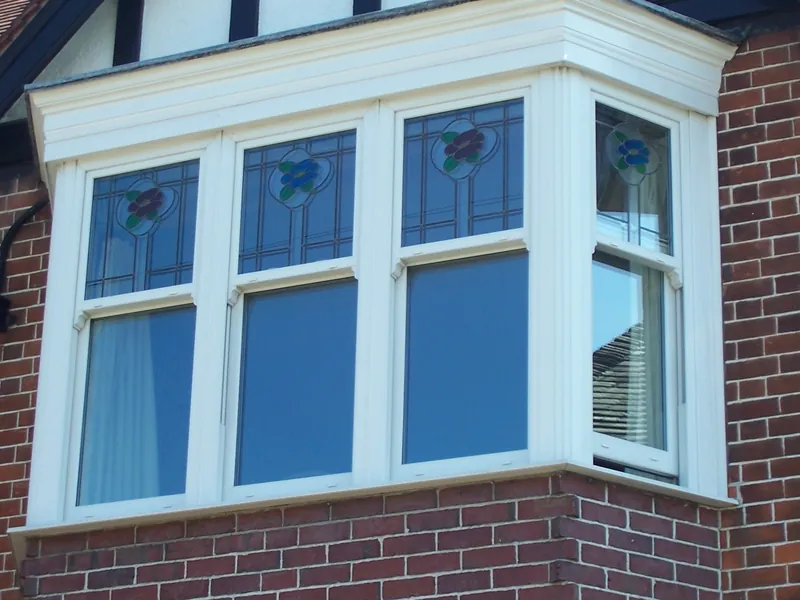
- Leaded and decorative glass. We can copy many leaded designs and add bevels or etched panels for doors.
Where an exact match no longer exists, we will tell you at the survey and show you samples before you order.
Upgrading When You Replace the Unit
A new unit is a chance to improve the glass at the same time. The frame stays the same, but the glass inside it can be much better than what was there.
- Low-E glass. A thin coat on the glass bounces heat back into the room. Modern units with low-E glass and argon gas keep far more heat in than old clear units.
- Warm edge spacers. These replace old metal spacers and cut cold spots round the edge of the glass.
- Toughened safety glass. This is needed by law in doors, low windows and panes near doors. If your old unit was not toughened in one of these spots, we will fit toughened glass.
- Laminated glass. This holds together if broken, so it adds security on ground floor windows and doors.
- Acoustic glass. This helps cut traffic noise on busy roads.
Our guide to energy efficient windows explains how glass ratings work and what to look for.
When the Frame Needs Replacing Instead
A new unit only makes sense if the frame is sound. At the survey we check each frame and tell you plainly if it is worth keeping. Signs that a full new window may be the better choice include:
- Rot in timber frames, or uPVC that has split or bowed.
- Hinges, locks and handles that are worn out on many windows.
- Several units in the same window, or across the house, failing at once.
- Very old frames with single seals, thin profiles and poor draught strips.
- Rooms that need a fire escape window the current frame cannot give.
If replacement is the better route, you can see our full range of double glazing windows. If only the hinges or locks are worn, our window and door repairs service can put those right while we swap the glass.
Costs and Guarantees on Replacement Units
We do not quote prices without seeing the job. The cost of a new sealed unit depends on a few clear things:
- The size and number of units.
- The glass type, such as toughened, laminated, obscure or acoustic.
- Any georgian bars, leaded designs or special shapes.
- Access, such as upstairs windows that need a ladder or tower.
After a free survey you get a written, fixed quote with no hidden extras. You can ask for one on our get a quote page. Every new unit we fit is covered by our guarantee against misting, and the details are in your paperwork. Our how we work page sets out each step from survey to aftercare.
Related window services:
Frequently Asked Questions
Can misted double glazing be fixed without new glass?
Some firms offer to drill the glass, dry the gap and reseal the holes. This can clear the mist for a while, but it does not restore the seal or the gas fill. The unit will not save heat as it should, and the mist often comes back. We replace the whole sealed unit, which gives a lasting fix and a proper guarantee.
Does the whole window need replacing?
No, not if the frame is in good shape. In most cases we swap only the sealed glass unit and keep the frame, hinges and handles. We check the frame at the survey. If it is rotten, split or badly worn, we will tell you and explain the options so you can choose what suits your home.
How long does it take to get a new unit?
Each unit is made to measure, so there is a short wait after the survey. Clear units are the quickest to make. Toughened, obscure, leaded or bar units take a little longer. Once the units arrive, fitting is quick. Most units take under an hour each, and we tidy up before we leave.
Is mist on the inside of the room a sign of failure?
Not on its own. Mist on the room side of the glass comes from damp in the air, often in kitchens, bathrooms and bedrooms. Open trickle vents and use extractor fans to help. A failed unit has mist trapped between the panes, which you cannot wipe away from either side. That is when the unit needs replacing.
Will the new unit match the other windows?
We match the spacer colour, gap width, glass type and any bars to the units around it. New glass can look a touch clearer than old glass next to it, but it should not stand out. If your pattern or design is no longer made, we show you the closest samples before you order.